SOURCING
How to compare 3PL quotes like for like
The quote with the lowest pick rate isn't always the cheapest 3PL. Price every quote on your own volumes and the answer often flips.
By Lara, founder of Move Supply Chain · 21 October 2026 · 6 min read
Three 3PL quotes land in your inbox. One charges per order, one per unit, one per "pick" (whatever that means in their building). Storage is per pallet per month in one, per pallet per week in another, per cubic foot in the third. And you're supposed to pick one by Friday.
So most people do the reasonable thing. They compare the pick and pack rate, because it's the biggest line, and they go with the lowest.
I get it. I've watched very smart founders do exactly this. But the headline rate is the number the 3PL chose to make look good. The real cost is your volume run through their whole rate card, and the two can point in opposite directions.
Start with your profile, not their rates
Before you ask anyone for a quote, write down one month of your operation. This becomes the brief you send every 3PL, so they're all pricing the same thing.
- Orders a month, and average items per order
- Pallets (or bins) in storage on an average day
- Inbound: deliveries a month, and cartons or pallets in each
- Returns a month
- Packaging: theirs or yours
- Where your customers are, so you can compare shipping zones
Use a real month, not your best one. If you're growing fast, price two: today, and twelve months from now.
Then cost every quote on that profile
Here's a worked example. The numbers are made up but the shape is one I see constantly.
| Quote A pick and pack: $1.60 per order + $0.30 per extra item | $6,240 |
|---|---|
| Quote A storage: $16 per pallet per month | $1,920 |
| Quote A total | $8,160 a month |
| Quote B pick and pack: $1.95 per order, up to 3 items | $5,850 |
| Quote B storage: $3.50 per pallet per week (× 52 ÷ 12) | $1,820 |
| Quote B account fee | $150 |
| Quote B total | $7,820 a month |
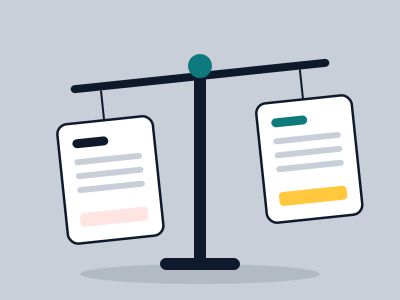
Quote A looks 35 cents cheaper per order. Quote B costs $340 a month less. That's $4,080 a year.
Two things flipped it. The extra-item charge (2.6 items per order means 1.6 extras on every order, and that adds up fast) and the storage unit. $3.50 a week sounds a lot cheaper than $16 a month. It's $15.17 a month. Almost the same.
The lines that hide
Once the big lines are on the same basis, go looking for the small ones. They're small per unit and not small per year.
- Monthly minimums, and what they're measured against
- Setup, onboarding or integration fees
- Account management or technology fees
- Receiving: per carton, per pallet or per hour, and what counts as a non-standard delivery
- Packaging, if it's not included
- Returns processing
- Surcharges for peak season or fuel
And shipping. Honestly, for a lot of brands the carrier rates are a bigger number than everything above combined. Send each 3PL a sample of your real shipments (weights, dimensions, postcodes) and ask them to price those, not a rate table for a 1kg parcel nobody actually sends.
What the spreadsheet can't tell you
Price gets you to a shortlist. It doesn't pick the partner. Ask each one for a reference customer your size, how they handle a missed cut-off, and what their invoice looks like (if they can't give you line-level detail, see the contract article). Visit if you can. You learn more in twenty minutes on a warehouse floor than in twenty emails.
One thing to do this week
Write down your one-month profile from the list above. Even if you're not switching. It's the single most useful page in any 3PL conversation, including the one where you ask your current 3PL for better rates.
If you'd like help, Move's experts can send your profile to partners who fit and compare their quotes like for like for you.